
All AbMole products are for research use only, cannot be used for human consumption.
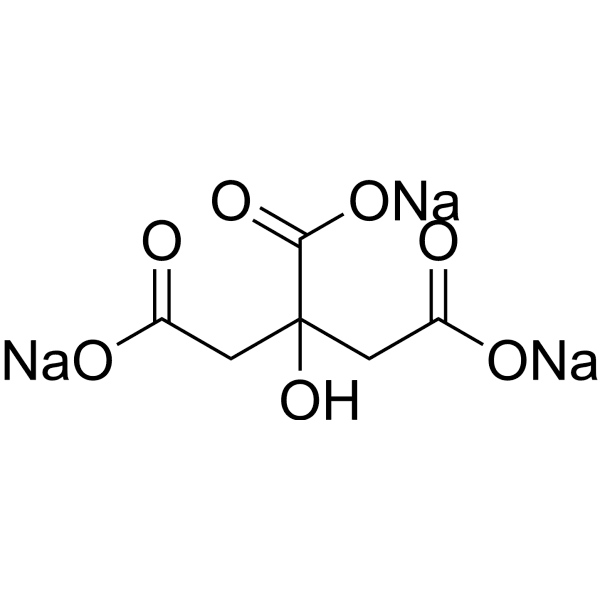
Citric acid trisodium induces apoptosis and cell cycle arrest at G2/M phase and S phase. Citric acid trisodium cause oxidative damage of the liver by means of the decrease of antioxidative enzyme activities.
| Molecular Weight | 258.07 |
| Formula | C6H5Na3O7 |
| CAS Number | 68-04-2 |
| Form | Solid |
| Solubility (25°C) | Water 50 mg/mL |
| Storage | 2-8°C, dry, sealed |
[4] Todd M Getz, et al. Transfusion. Sodium citrate contributes to the platelet storage lesion
| Related Apoptosis Products |
|---|
| 23-Hydroxybetulinic acid
23-Hydroxybetulinic acid is a novel anticancer substance. |
| TH-302 (Evofosfamide)
TH-302 is a highly potent and selective hypoxia-activated procompound targeting hypoxic regions of solid tumors with IC50 of 19 nM. |
| Se-Methylselenocysteine
Se-methylselenocysteine, a precursor of methyl selenium, has strong cancer chemoprophylaxis and antioxidant activity. Se-Methylselenocysteine has oral biological activity, can induce apoptosis. |
| Aloperine
Aloperine is exhibits anti-inflammatory, antibacterial, antiviral, and anti-tumor properties. |
| Ezatiostat
Ezatiostat (TER199, TLK199) is a glutathione analog inhibitor of glutathione S-transferase (GST) P1-1. Ezatiostat leads to JNK activation by inhibiting GSTP1. Ezatiostat stimulates both lymphocyte production and bone marrow progenitor proliferation. |
All AbMole products are for research use only, cannot be used for human consumption or veterinary use. We do not provide products or services to individuals. Please comply with the intended use and do not use AbMole products for any other purpose.


Products are for research use only. Not for human use. We do not sell to patients.
© Copyright 2010-2026 AbMole BioScience. All Rights Reserved.
